
The ongoing conflict in the Middle East is shifting toward a new and extremely dangerous reality. For a long time, the primary targets were military bases, oil refineries, and gas fields. But now, a new fundamental infrastructure has been added to that list: Water.
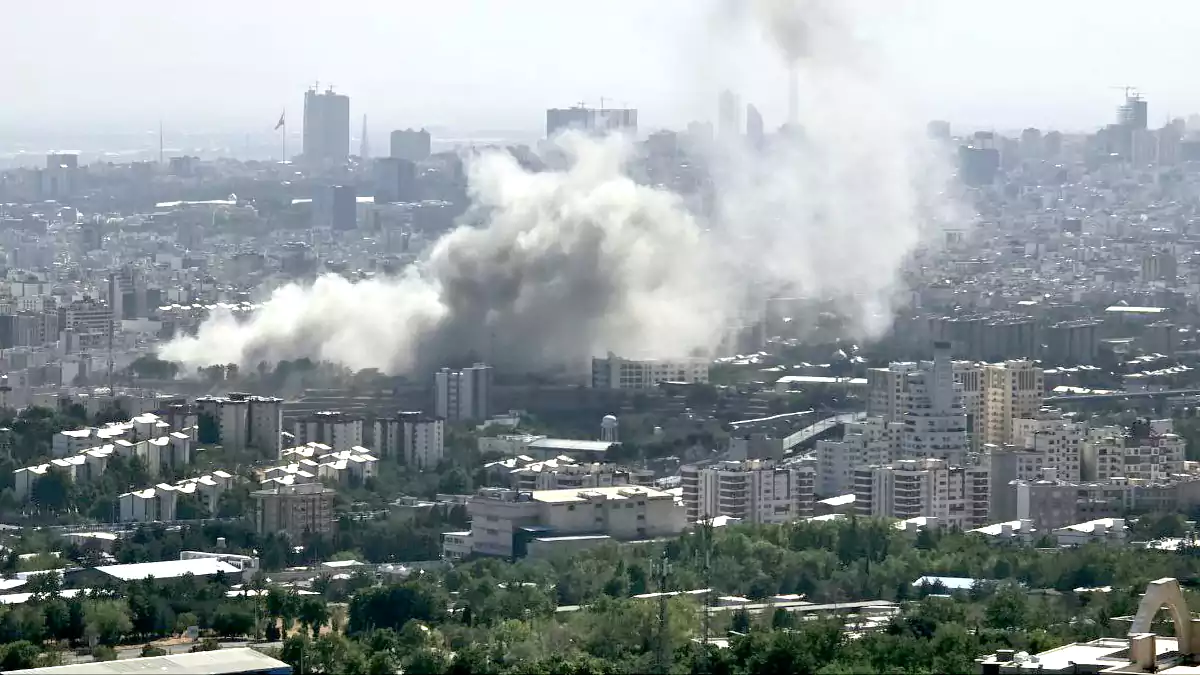
How water desalination plants are becoming the next strategic battleground in the Gulf region. Recently, Bahrain reported infrastructure damage to a desalination plant following an Iranian drone strike.
Just a day before that, Iranian Foreign Minister Abbas Araqchi alleged that the United States attacked a freshwater plant on Qeshm Island in southern Iran, disrupting water supply to at least 30 villages.
These are not just isolated military incidents; they signal a shift in warfare tactics. In a region where every drop of water is precious, targeting these plants hits at the very survival of millions.
But what exactly is a desalination plant? Essentially, it is an industrial facility that removes salt and minerals from seawater to make it drinkable. Ocean water contains about 35 grams of salt per liter, making it unfit for human consumption. Through advanced technology, these plants make seawater safe not only for drinking but also for agriculture, industry, and urban supply. In the arid geography of the Gulf, these plants are the only reason cities can exist in the desert.
The dependence on this technology is staggering. Most Gulf nations are surrounded by deserts with almost no rainfall or rivers. Research shows that 90% of the region’s water comes from groundwater and desalination. Currently, there are over 400 large plants along the shores of the Arabian Gulf.
In fact, GCC countries hold about 60% of the world’s total desalination capacity. Saudi Arabia leads the world in production, while Kuwait relies on it for 90% of its drinking water. These are not just buildings; they are the foundation of their entire economy and lifestyle.
Why have these become targets? If one major plant is disabled, hundreds of thousands lose water instantly. This creates a massive strategic opportunity for Iran. Unlike smaller states like Bahrain, Qatar, or Kuwait—which depend almost entirely on coastal plants—Iran has internal rivers, dams, and diverse water sources.
This makes Iran less vulnerable and gives them a tool to exert political and strategic pressure on its neighbors without using traditional military force.
This threat isn’t new. During the 1990-91 Gulf War, Iraqi forces destroyed most of Kuwait’s desalination capacity, causing a national crisis. If these plants are targeted today, the impact will go beyond thirst. It will halt agriculture, shut down industries, and trigger social instability.
Read more: Trump’s Global Tariff War: The 24-Hour Flip and the Legal Showdown
Experts warn that Gulf nations must now treat water as a regional security issue. Some countries, like the UAE, have started building large-scale water reservoirs for emergencies, but long-term solutions require decentralized plants and renewable energy.